
How does polyurethane grouting work?
Polyurethane grouting works by injecting dual component polyurethane (PU) foam below or around structures, or into the ground. Depending on the specific formulation, the grout then expands up to 30 times to fill voids, and/or cause displacement. Displacement is managed to densify soils, or correct settlement.
Just like different concrete mixes have different uses, polyurethane grout formulations ("systems") are designed for specific applications. Each system varies by how much it expands, whether it continues expanding after it gets hard enough to stop flowing, and whether it's designed for use in wet or dry environments.
For example, CJGrout 20SDB is designed to expand a lot, and continue flowing even after it's stopped expanding, so is really well suited for filling large voids around sensitive structures. Alternatively, CJGrout 48NHL doesn't expand as much, and stops flowing before it stops expanding, so is designed to cause displacement of heavy structures, so is used for lifting things like railroad crossings, or densifying loose soils.
Been There Grouted That
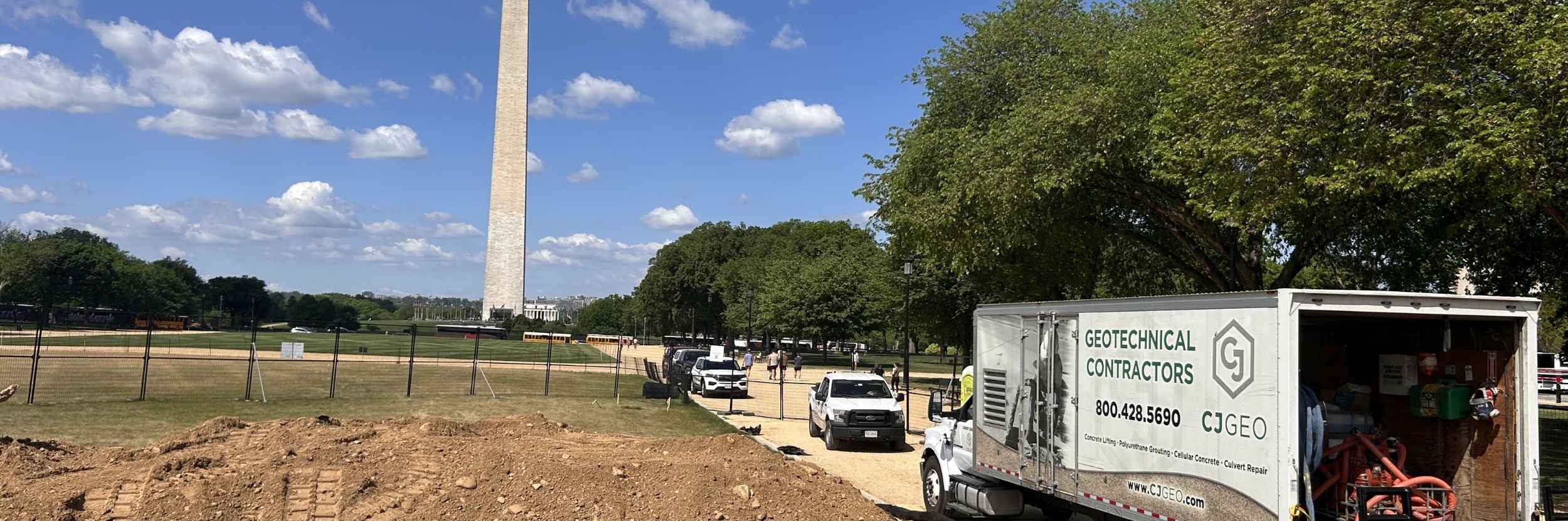
National Mall Sinkholes
On this project, high mobility void filling was the goal. CJGeo placed 55,000 pounds of CJGrout 20SDB up to 10 feet below grade to stabilize 16,000 square feet of space.
Read More
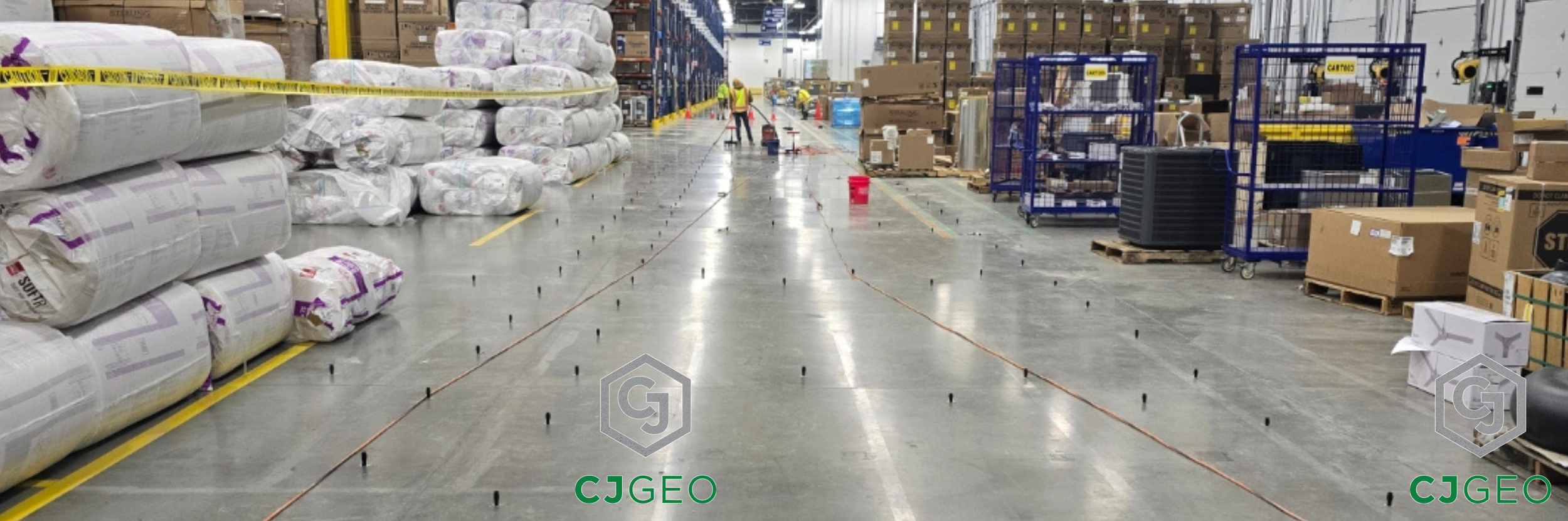
Nashville Warehouse Undersealing
CJGeo undersealed more than 40,000 feet of joint in this million square foot warehouse in Nashville. The floor experienced slab curl, which was stabilized with CJGrout 20SDB.
Read More
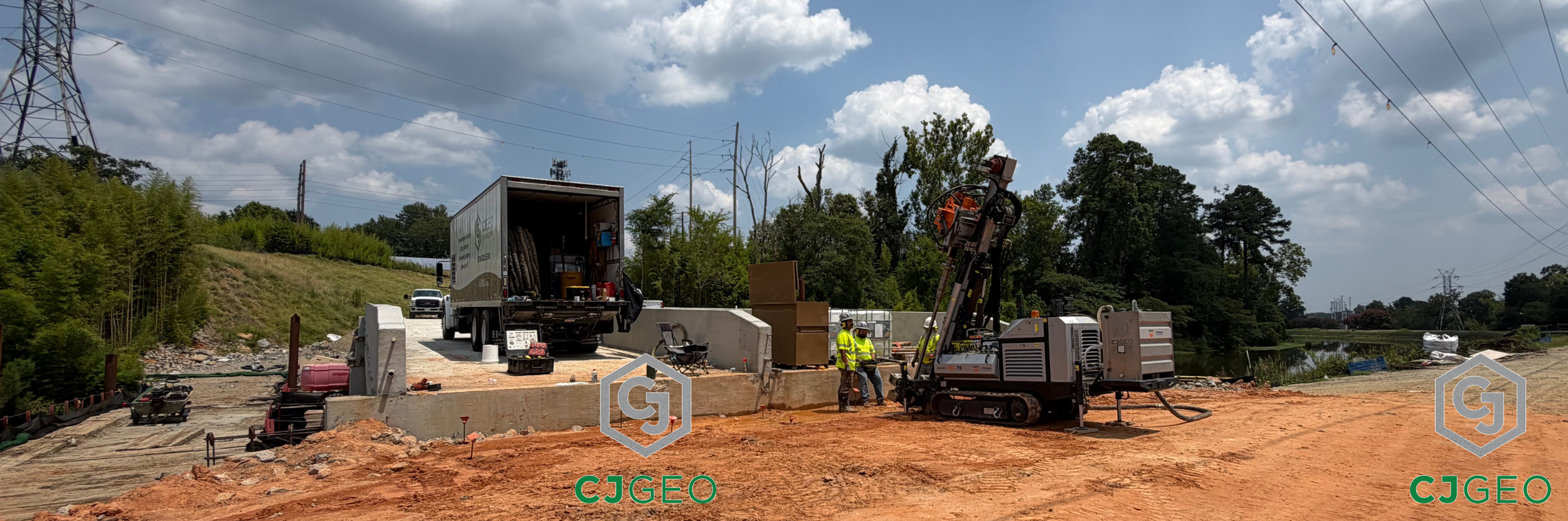
Hydropower Embankment Grouting
During installation of drilled shafts for a bridge crossing a hydropower canal, the contractor experienced soil loss. CJGeo performed compaction grouting using CJGrout 22SHV geotechnical polyurethane after sonic drilling the injection points.
Read More
Related Pages
- Polyurethane Grouting
- CJGrout Geotechnical Polyurethanes
Speak With An Expert
Have more questions about how polyurethane grouting works?
