The Job
The Irwin Creek Tributary Wastewater Improvement Project aimed to replace aging and undersized utility infrastructure in Charlotte, North Carolina. Residential development in the area increased wastewater volume demands, requiring a system upgrade to prevent sanitary sewer overflows. The new alignment crossed Interstate 77 and a local side street near a park, requiring the installation of two separate tunnels to house the new 30-inch sanitary sewer line.
One tunnel spanned 700 feet beneath the interstate. The second tunnel ran 440 feet. Both utilized 60-inch diameter steel casings to host the 30-inch sanitary sewer pipe.
The Challenge
Annular space grouting often presents significant buoyancy control issues that are hard to manage with traditional weight grouts. This typically forces contractors to place grout in multiple lifts, extending the project timeline and material costs.
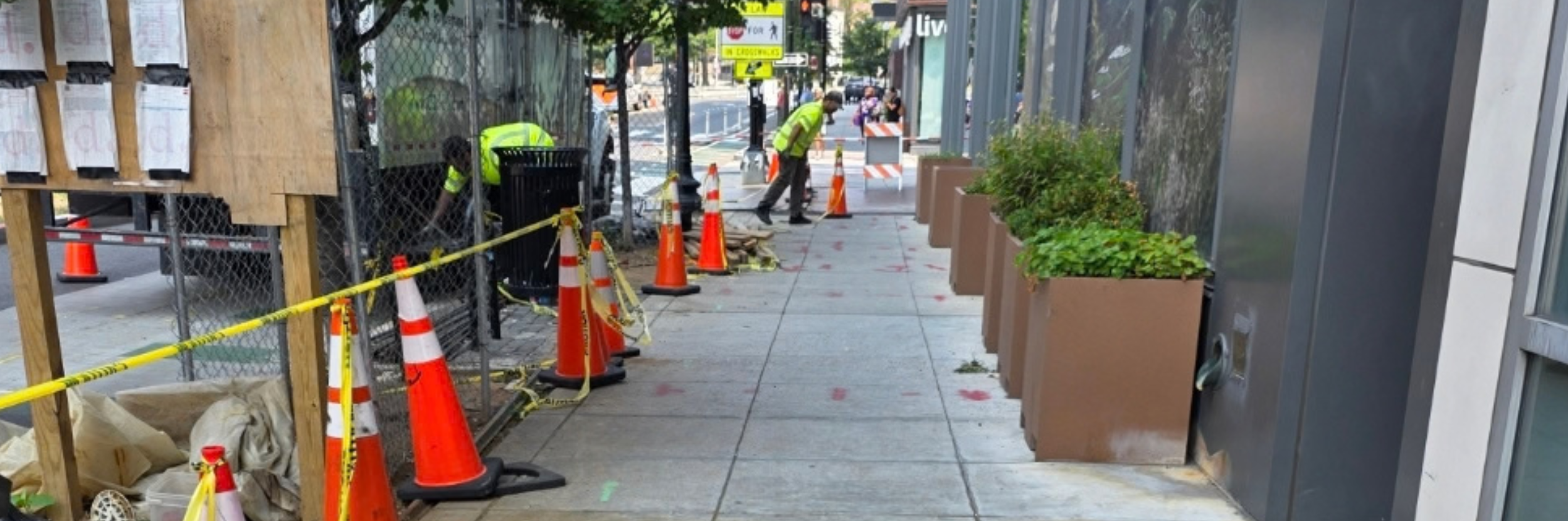
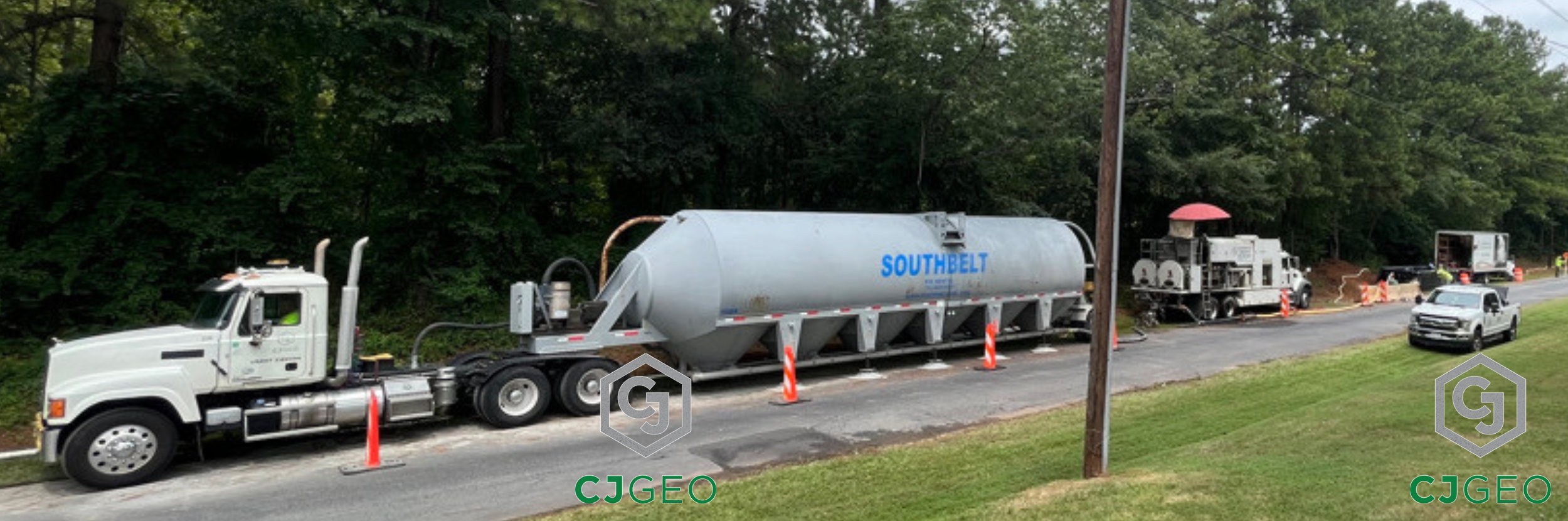
The urban location of the project offered limited space for the batch equipment, requiring the crews to maintain a small footprint.
The Solution
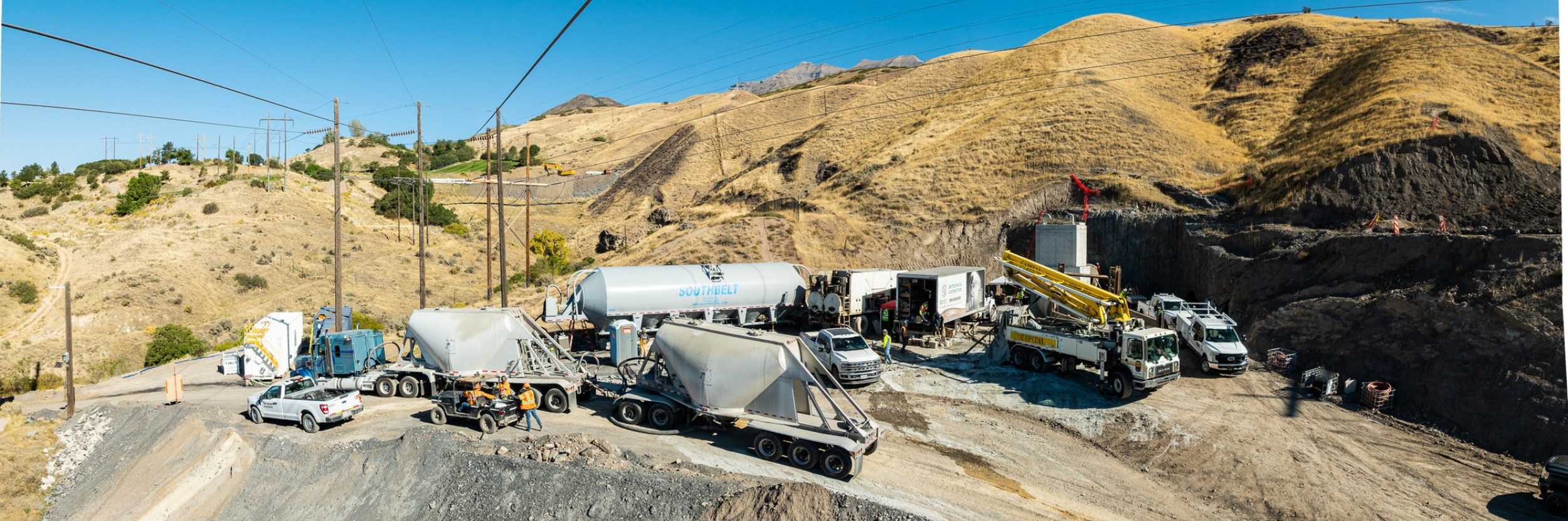
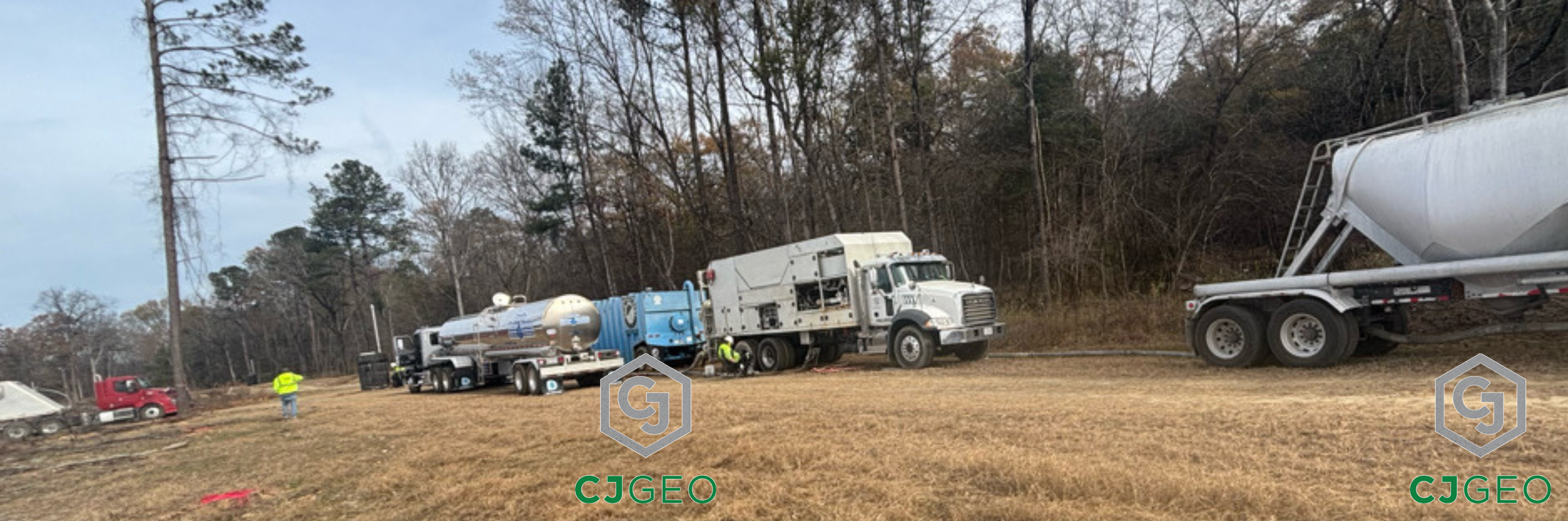
CJGeo mobilized a high-energy mixing mobile batch plant to the site. This equipment generates cellular concrete onsite with a compact footprint suited for an urban environment. The team selected a 30 PCF cellular concrete mix to fill the annulus. The 700-foot tunnel required 347 cubic yards of material, while the 440-foot tunnel required 267 cubic yards. Crews completed each tunnel in just one shift with one large pour. This method ensured complete encapsulation of the 30-inch carrier pipe without flotation or damage. The approach minimized risk and eliminated common constructability challenges associated with multi-stage grouting.
Speak With An Expert
Facing a similar challenge?